Food
The Rise of Gluten-Free Bread: A Delicious Alternative for Everyone
Ultra
||
2024-11-03
Recommendation

The Excitement and Elegance of Tennis: A Sport Like No Other
Ultra
||2024-11-06

Queen of Tears: The Latest Korean Drama Capturing Hearts
Ultra
||2024-11-04

Bootcamp FullStack Web Dev di Purwadhika
Ultra
||2024-11-05
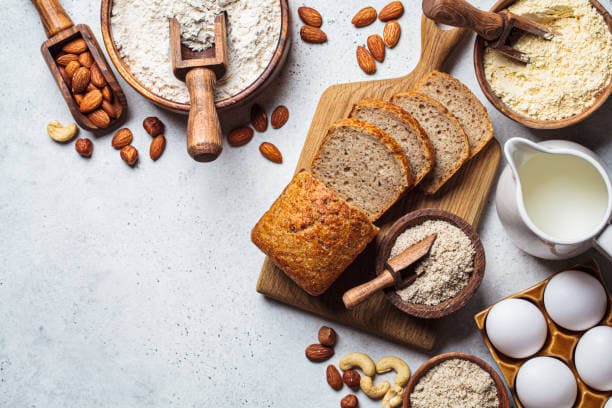
In recent years, gluten-free diets have surged in popularity, not just among those with celiac disease or gluten sensitivities, but also for health-conscious individuals seeking to explore new culinary avenues. One of the most exciting developments in this realm is the rise of gluten-free bread. Gone are the days when gluten-free meant tasteless and crumbly. Today, gluten-free bread can be just as delicious and satisfying as its traditional counterpart. Join us as we explore the world of gluten-free bread, its benefits, and some fantastic recipes to try at home!
What is Gluten?
Gluten is a protein found in wheat, barley, and rye. It gives bread its chewy texture and helps it rise. For those with celiac disease or gluten intolerance, consuming gluten can lead to serious health issues. However, even people without these conditions are turning to gluten-free options for various reasons, including digestive health, weight management, and overall well-being.
The Benefits of Gluten-Free Bread
Digestive Health: Many people report improved digestion when eliminating gluten from their diets. Gluten-free bread often includes fiber-rich ingredients that promote gut health.
Variety of Flours: Gluten-free bread is made from a variety of flours, such as almond, coconut, and rice flour, offering unique flavors and nutritional benefits.
Lower in Carbs: Some gluten-free breads can be lower in carbohydrates, making them a great option for those watching their carb intake.
Nutrient-Rich Ingredients: Gluten-free recipes often incorporate seeds, nuts, and whole grains, which can enhance the nutritional profile of the bread.
Popular Gluten-Free Bread Recipes
Almond Flour Bread:
Ingredients
: Almond flour, eggs, baking powder, salt, and a touch of honey.
Instructions
: Mix all ingredients, pour into a loaf pan, and bake until golden. This bread is moist, nutty, and perfect for sandwiches.
Chia Seed Bread:
Ingredients
: Chia seeds, gluten-free flour blend, water, and a pinch of salt.
Instructions
: Combine ingredients, let the chia seeds soak, then bake. This bread is packed with omega-3 fatty acids and fiber.
Oatmeal Bread:
Ingredients
: Gluten-free oats, banana, eggs, and a dash of cinnamon.
Instructions
: Blend all ingredients until smooth, pour into a loaf pan, and bake. This naturally sweet bread is great for breakfast!
Tips for Making Gluten-Free Bread
Use a Good Flour Blend: A combination of gluten-free flours often yields the best texture. Look for blends that include xanthan gum or psyllium husk to help with binding.
Don’t Skip the Eggs: Eggs add moisture and structure to gluten-free bread, so be sure to include them unless you're using an egg substitute.
Experiment with Add-ins: Feel free to add nuts, seeds, or dried fruits to enhance flavor and nutrition.
Conclusion
Gluten-free bread has come a long way, and it’s no longer just a necessity for those with dietary restrictions. With a plethora of recipes and flavors to explore, gluten-free bread can be a delicious and nutritious addition to anyone’s diet. Whether you’re looking to improve your digestive health or simply want to try something new, give gluten-free bread a chance—you might just find your new favorite loaf!
Call to Action
Have you tried making gluten-free bread at home? Share your experiences and favorite recipes in the comments below!